Define What “Done” Means Before You Start (an ADHD Must)
Unfinished tasks often have no finish line. Here’s how defining “done” upfront helps ADHD brains start, stay on track and actually stop.
Out of sight really is out of mind with ADHD. Here’s how to use your home, desk and phone as an external memory, so the right reminder is there at the right moment.
 I Post About ADHD··3 min read
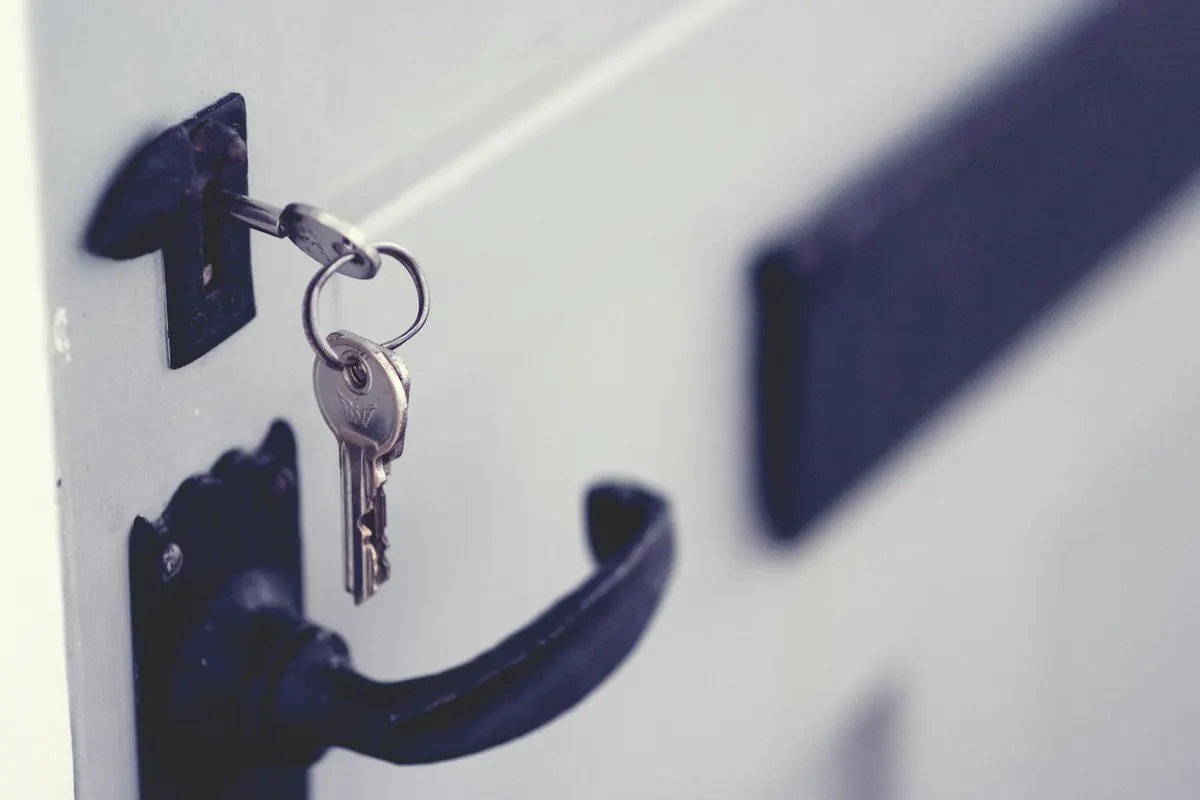
Photo: Jaye Haych on Unsplash
“Out of sight, out of mind” is a joke for most people. With ADHD, it’s often literally true. If the bill is in a drawer, it doesn’t exist. If the vitamins are in a cabinet, they don’t get taken.
The good news: you can flip this. If visible things get remembered, you can arrange your environment to remind you.
A reminder only works if you see it at the moment you can act. The library book goes on the doorknob, not on the bookshelf. The vitamins go next to the coffee maker, not in the bathroom cabinet.
Remove steps from things you want to do: laundry basket in the bedroom, water bottle on the desk, running shoes by the bed.
Add steps to things you want less of: phone charging outside the bedroom, snacks on a high shelf, shopping apps logged out.
You’re not lacking discipline. You’re working in an environment designed for someone else’s brain. Redesign it.
| Place | Environmental reminder |
|---|---|
| Front door | A launch pad: hook for keys, tray for wallet, basket for things that need to leave |
| Kitchen | Medication by the coffee maker; a whiteboard for groceries |
| Desk | Today’s top three on a sticky note on the monitor |
| Bathroom | A checklist on the mirror for the morning routine |
| Car | A bin for returns and errands |
| Phone | Home screen with only the apps you want to use; location reminders |
Bins with lids hide things. Open baskets, clear containers and labeled shelves keep things visible. A messy-but-visible system often works better than a tidy one you can’t see.
Start with the one thing you lose or forget most often, and give it a visible home. See systems for frequently lost items.

This article is for education and organization, not medical advice. Read our medical disclaimer and editorial policy.

Unfinished tasks often have no finish line. Here’s how defining “done” upfront helps ADHD brains start, stay on track and actually stop.

Why switching between tasks is so hard with ADHD, and a simple “transition bridge” that makes moving from one thing to the next smoother.
Why starting is the hardest part with ADHD, and a simple method for shrinking any task until starting feels almost too easy.
A short visual guide in your inbox: one problem, one system, one small step you can try today. No spam, no shame.
We use analytics cookies to understand how visitors use our site. Functional cookies (session and page variant) are always set. See our Privacy Policy.