ADHD Doom Piles: Why They Happen and a 20-Minute Rescue
Doom piles (Didn’t Organize, Only Moved) are postponed decisions. Here’s why they form with ADHD and a 20-minute method to clear one without overwhelm.
Keys, phone, wallet, glasses: six simple systems that stop the daily search, from launch pads to tracker tags and duplicates.
 I Post About ADHD··3 min read
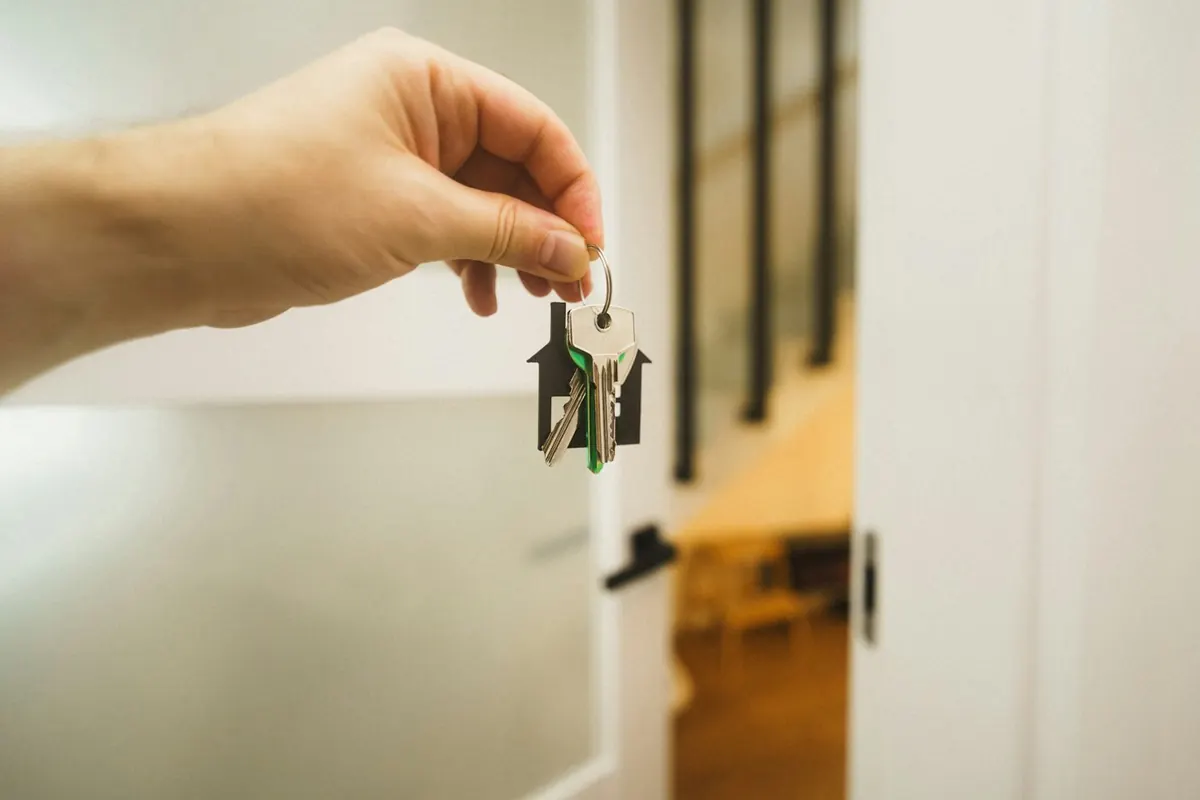
Photo: Jakub Żerdzicki on Unsplash
If you lose your keys three times a week, you can lose hours a month searching. The fix isn’t paying more attention; it’s giving important things a home they always go back to.
One spot by the door: a hook for keys, a tray for wallet and glasses, a charger for your phone, a hook for your bag. Everything that leaves the house lives here.
Every frequently lost item gets one home, and everyone in the house knows it. Write it down if it helps.
If your glasses always end up by the couch, put a glasses tray by the couch. Homes should match your habits, not fight them.
Buy spares of cheap things you need in several places: chargers, scissors, pens, lip balm, reading glasses.
Bluetooth trackers on keys, wallet and bag can save a lot of searching. They’re especially useful for the item that costs you the most time.
When something’s missing:
When you find it, put it straight on the launch pad. Every return trains the habit.

This article is for education and organization, not medical advice. Read our medical disclaimer and editorial policy.

Doom piles (Didn’t Organize, Only Moved) are postponed decisions. Here’s why they form with ADHD and a 20-minute method to clear one without overwhelm.

Six small evening habits that set up an easier morning for ADHD brains, without a long, perfect night routine.

A realistic ADHD morning routine with a full version and a minimum version, plus night-before prep that makes starting the day much easier.

A short visual guide in your inbox: one problem, one system, one small step you can try today. No spam, no shame.
We use analytics cookies to understand how visitors use our site. Functional cookies (session and page variant) are always set. See our Privacy Policy.