Design an Environment That Remembers for You
Out of sight really is out of mind with ADHD. Here’s how to use your home, desk and phone as an external memory, so the right reminder is there at the right moment.
Why you forget what you were about to do, lose track mid-sentence and drop tasks, plus practical systems that take the load off working memory.
 I Post About ADHD··3 min read
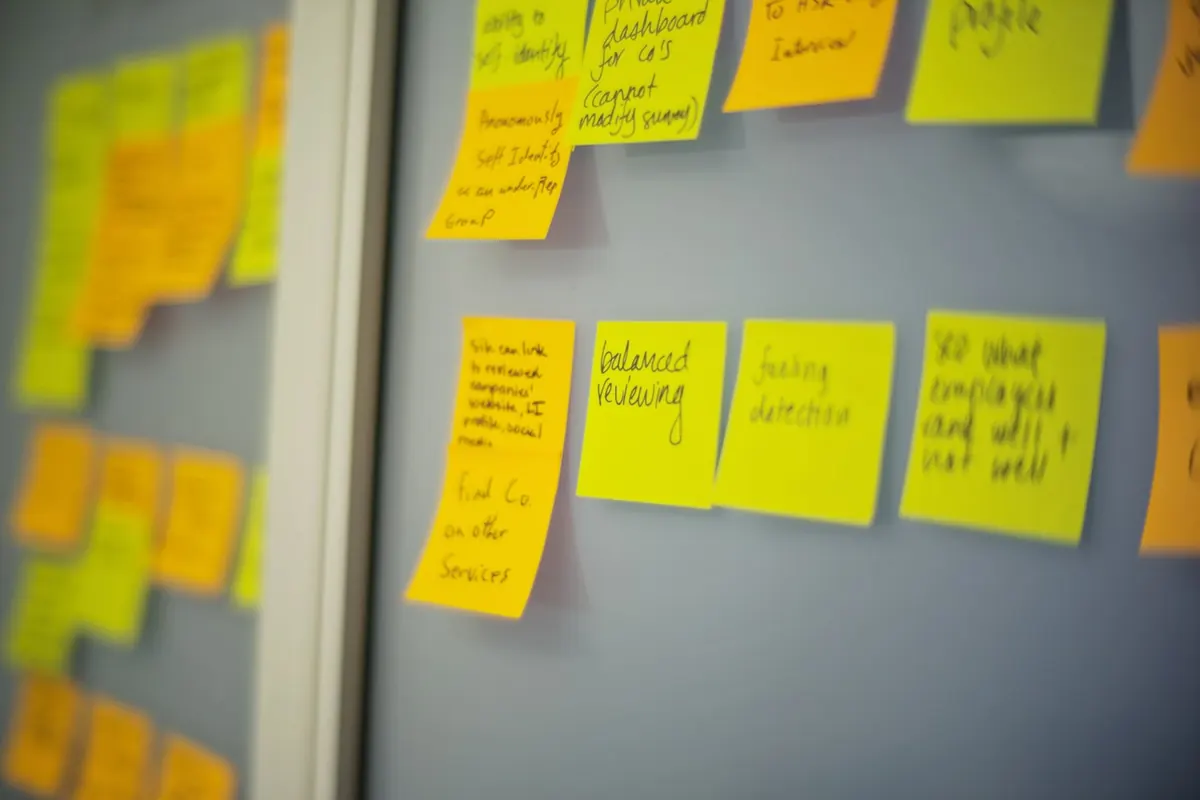
Photo: Will H McMahan on Unsplash
Working memory is the part of your mind that holds information while you use it: the phone number you’re dialing, the three things you came to the store for, the point you were about to make.
With ADHD, working memory often holds less and lets go faster. That’s why you can walk into a room and forget why, or lose a brilliant thought halfway through a sentence.
Every open loop you carry (“call the dentist,” “reply to Sam,” “buy milk”) uses some of the same mental space you need to focus. Carrying twenty of them makes every task harder.
The goal isn’t a better memory. It’s needing your memory less.
Pick one place where every task and idea goes: a notes app, a pocket notebook or a voice memo. One is the important part. Five scattered lists don’t help.
If something takes under two minutes, do it now. If not, write it down immediately. Don’t keep it “in mind.”
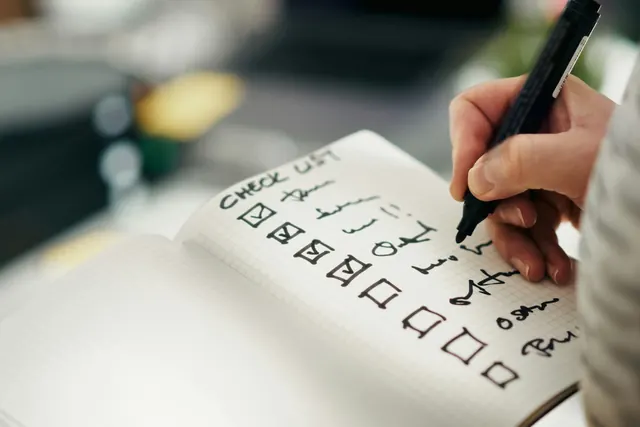
Anything you do more than twice (leaving the house, packing for a trip, closing your workday) deserves a checklist. Checklists aren’t for people who forget everything; pilots and surgeons use them.
Put the reminder where you’ll need it: the library book on the doorknob, the medication by the coffee maker, a note on the laptop lid. See design an environment that remembers.
Before you switch tasks, write one line: “Next: email the PDF to Maria.” Restarting becomes much easier.
Working memory also affects talking and listening. It helps to:
See conversation tools for ADHD for more.

This article is for education and organization, not medical advice. Read our medical disclaimer and editorial policy.

Out of sight really is out of mind with ADHD. Here’s how to use your home, desk and phone as an external memory, so the right reminder is there at the right moment.
Unfinished tasks often have no finish line. Here’s how defining “done” upfront helps ADHD brains start, stay on track and actually stop.

Why switching between tasks is so hard with ADHD, and a simple “transition bridge” that makes moving from one thing to the next smoother.
A short visual guide in your inbox: one problem, one system, one small step you can try today. No spam, no shame.
We use analytics cookies to understand how visitors use our site. Functional cookies (session and page variant) are always set. See our Privacy Policy.