Working From Home With ADHD: Structure Without a Boss Watching
Remote work removes distractions and structure at the same time. How to build your own: a start ritual, a workspace boundary, body doubling and a clear stop.
What reasonable accommodations are, examples that help with ADHD, how to ask under the ADA and where to find free, reliable help.
 I Post About ADHD··3 min read

Photo: Vitaly Gariev on Unsplash
If ADHD affects your work, you may be able to ask for reasonable accommodations: changes to how or where you work that help you do your job.
The Americans with Disabilities Act (ADA) generally applies to employers with 15 or more employees. It requires them to provide reasonable accommodations to qualified employees with a disability, unless it would cause undue hardship. ADHD can qualify when it substantially limits a major life activity, such as concentrating, thinking or learning. Some states have broader laws.
| Challenge | Possible accommodation |
|---|---|
| Distractions | Noise-canceling headphones, a quieter workspace, remote work days |
| Remembering instructions | Written instructions, meeting notes, task checklists |
| Time management | Regular check-ins, project management tools, deadline reminders |
| Long meetings | Agendas in advance, breaks, permission to take notes or record |
| Restlessness | Standing desk, permission to move or take short breaks |
| Starting and prioritizing | Weekly priority meetings with your manager |
The Job Accommodation Network has a much longer list for ADHD.
You don’t have to share every detail of your health. Focus on the limitation and the accommodation that helps.
You don’t have to tell your employer you have ADHD. Many people use personal systems without disclosing. If you want formal accommodations, disclosure is usually needed.
The Job Accommodation Network (askjan.org) offers free, confidential advice for employees and employers.
This is general information, not legal advice. Rules vary by employer size and state.

This article is for education and organization, not medical advice. Read our medical disclaimer and editorial policy.

Remote work removes distractions and structure at the same time. How to build your own: a start ritual, a workspace boundary, body doubling and a clear stop.
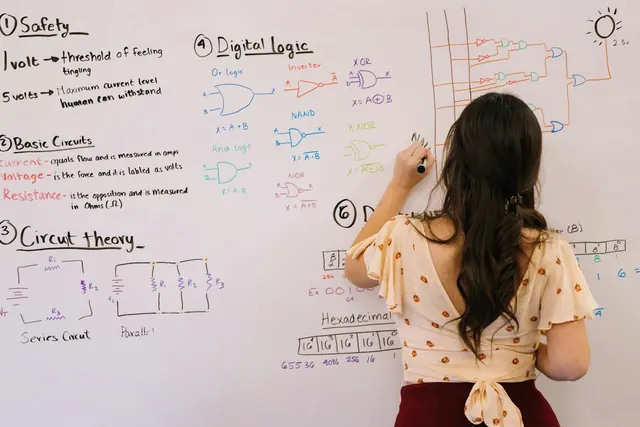
Instead of only fixing weaknesses, design work that uses what ADHD brains often do well: crisis response, creativity, energy and deep interest.

Meetings and conversations ask a lot of working memory. Six practical tools for remembering what was said, waiting your turn and following up.
A short visual guide in your inbox: one problem, one system, one small step you can try today. No spam, no shame.
We use analytics cookies to understand how visitors use our site. Functional cookies (session and page variant) are always set. See our Privacy Policy.