Working From Home With ADHD: Structure Without a Boss Watching
Remote work removes distractions and structure at the same time. How to build your own: a start ritual, a workspace boundary, body doubling and a clear stop.
Instead of only fixing weaknesses, design work that uses what ADHD brains often do well: crisis response, creativity, energy and deep interest.
 I Post About ADHD··3 min read
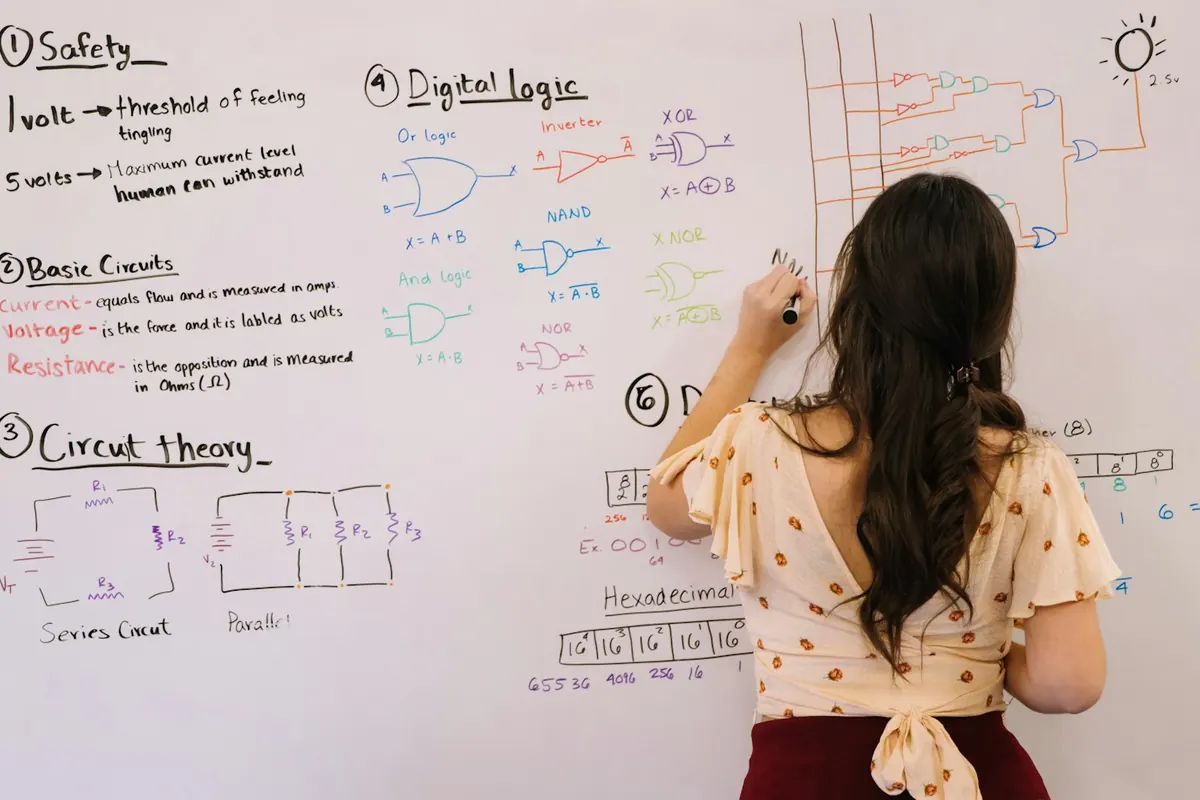
Photo: Jeswin Thomas on Unsplash
Most ADHD advice is about fixing what’s hard. That matters, but so does the other side: doing more of what you’re good at. Many people with ADHD describe strengths like creativity, energy, problem-solving under pressure and deep focus on things they care about.
Not everyone with ADHD has the same strengths, and ADHD itself isn’t a superpower. But knowing your strengths changes how you design work.
For two weeks, note when work felt easy and good. What were you doing? Who with? What kind of task? Patterns appear quickly.
Many people with ADHD do best with:
Small changes count: volunteer for projects you enjoy, pair up for tasks you avoid, batch admin into one afternoon, ask for work with clear deadlines.
Use systems for the rest: templates, checklists, a weekly plan, and accommodations if helpful.
If a coworker loves spreadsheets and dreads presentations, and you’re the opposite, trading can help both of you.
When changing jobs, ask about structure, deadlines, collaboration, flexibility and how work is tracked. A good fit matters as much as the role.
The goal isn’t the perfect ADHD job. It’s a job where your strengths get used often and your challenges are supported.

This article is for education and organization, not medical advice. Read our medical disclaimer and editorial policy.

Remote work removes distractions and structure at the same time. How to build your own: a start ritual, a workspace boundary, body doubling and a clear stop.

What reasonable accommodations are, examples that help with ADHD, how to ask under the ADA and where to find free, reliable help.

Meetings and conversations ask a lot of working memory. Six practical tools for remembering what was said, waiting your turn and following up.
A short visual guide in your inbox: one problem, one system, one small step you can try today. No spam, no shame.
We use analytics cookies to understand how visitors use our site. Functional cookies (session and page variant) are always set. See our Privacy Policy.