Routines in ADHD, Autism and AuDHD: Why They’re Different
Routines help ADHD and autistic brains in different ways. How to build routines that give enough predictability without becoming boring or rigid.
What sensory overload is, how to spot early sensory load before it peaks, and practical support for home, work and outings.
 I Post About ADHD··3 min read

Photo: C D-X on Unsplash
Sensory overload happens when sound, light, touch, smells or crowds become more than your nervous system can comfortably handle. It’s common in autism and also reported by many people with ADHD.
| Early sensory load | High sensory load |
|---|---|
| Irritability, restlessness | Shutting down or meltdown |
| Harder to follow conversations | Can’t think or speak clearly |
| Fidgeting, covering ears | Strong urge to escape |
| Noticing every small sound | Physical distress, headache, nausea |
Acting in the early stage is much easier than recovering from the high stage.
Sensory needs aren’t preferences to push through. They’re real limits, and respecting them makes everything else easier.

This article is for education and organization, not medical advice. Read our medical disclaimer and editorial policy.
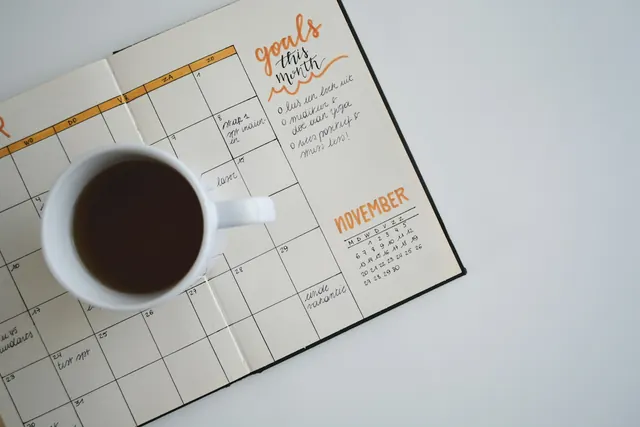
Routines help ADHD and autistic brains in different ways. How to build routines that give enough predictability without becoming boring or rigid.

Leaving early, not answering, avoiding eye contact: the same behavior can come from very different needs. Why asking beats guessing.

Some people need more sensory input, not less. What sensory seeking looks like and how to meet those needs in helpful ways.
A short visual guide in your inbox: one problem, one system, one small step you can try today. No spam, no shame.
We use analytics cookies to understand how visitors use our site. Functional cookies (session and page variant) are always set. See our Privacy Policy.