Routines in ADHD, Autism and AuDHD: Why They’re Different
Routines help ADHD and autistic brains in different ways. How to build routines that give enough predictability without becoming boring or rigid.
How ADHD and autism differ, where they overlap, and why the same behavior can have different reasons, explained without stereotypes.
 I Post About ADHD··3 min read

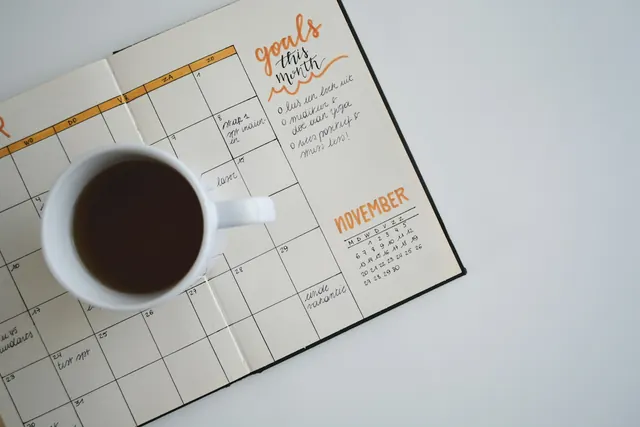
Photo: Redd Francisco on Unsplash
ADHD and autism are distinct neurodevelopmental conditions, but they overlap a lot, and they often occur together. Since the DSM-5 in 2013, clinicians can diagnose both in the same person.
| ADHD | Autism | |
|---|---|---|
| Core features | Attention regulation, hyperactivity, impulsivity | Social communication differences, restricted or repetitive behaviors and interests |
| Routines | Often struggles to keep them | Often relies on them for comfort |
| Novelty | Often seeks it | Often prefers predictability |
| Social challenges | Often from interrupting, distraction, impulsivity | Often from differences in social communication |
These are tendencies, not rules. Every person is different.
Someone leaving a noisy party early might be bored and restless (more ADHD-like) or overwhelmed by sound (more autistic-like), or both. That’s why support should start with asking about the person’s experience, not guessing. See same behavior, different explanations.
Labels help us understand patterns. People help us understand needs.
Only a qualified clinician can diagnose ADHD or autism. Many people seek evaluation for both.

This article is for education and organization, not medical advice. Read our medical disclaimer and editorial policy.
Routines help ADHD and autistic brains in different ways. How to build routines that give enough predictability without becoming boring or rigid.

Leaving early, not answering, avoiding eye contact: the same behavior can come from very different needs. Why asking beats guessing.

Some people need more sensory input, not less. What sensory seeking looks like and how to meet those needs in helpful ways.

A short visual guide in your inbox: one problem, one system, one small step you can try today. No spam, no shame.
We use analytics cookies to understand how visitors use our site. Functional cookies (session and page variant) are always set. See our Privacy Policy.